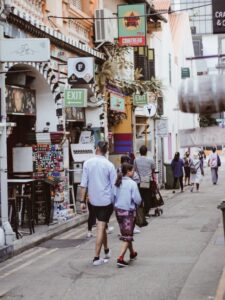
How Singapore Became One of Asia’s Most Successful Nations
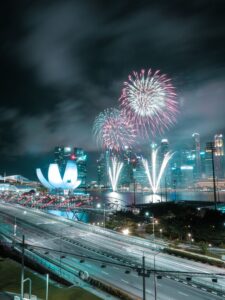
Singapore’s journey from a small island with limited natural resources to one of the world’s most prosperous and respected nations is nothing short of extraordinary. Today, it is recognized as a global financial center, a leading tourism destination, and a model of innovation and sustainable development. Millions of people visit Singapore every year to experience its impressive skyline, efficient infrastructure, cultural diversity, and high quality of life. Behind this success lies decades of careful planning, strong leadership, continuous investment in education, and a commitment to progress.

Unlike many countries blessed with abundant natural resources, Singapore built its success through human talent, strategic planning, and international trade. This remarkable transformation has made it one of Asia’s greatest success stories and an inspiration for nations around the world.

A Humble Beginning

Singapore’s history as a modern nation began with significant challenges. Limited land, scarce natural resources, and a growing population meant the country needed a long-term vision for economic growth.

Rather than viewing these limitations as obstacles, Singapore focused on developing industries that relied on knowledge, technology, trade, and innovation. This forward-thinking approach laid the foundation for future success.

Over the years, continuous investment in infrastructure and education helped transform Singapore into a competitive global economy.

Strategic Location for Global Trade

One of Singapore’s greatest advantages is its strategic location along major international shipping routes.

Its world-class port connects businesses from around the globe, making Singapore one of the busiest trading hubs in the world. This position has encouraged international companies to establish regional headquarters while strengthening Singapore’s economy through commerce and logistics.

Trade continues to play an essential role in the country’s long-term growth.

Building a Strong Economy

Singapore developed a diverse economy that extends far beyond tourism.

Finance, technology, manufacturing, healthcare, education, logistics, and research all contribute significantly to national development. By encouraging innovation and attracting international investment, Singapore has created countless employment opportunities while maintaining economic stability.

This diversified economy allows the country to adapt to changing global markets more effectively.

Investing in Education

Education has always been one of Singapore’s highest priorities.

The country believes that developing skilled professionals is essential for long-term success. Schools, universities, and research institutions focus on preparing students with practical knowledge, critical thinking, and technological skills.

This emphasis on education has helped create a highly qualified workforce capable of competing in today’s global economy.

Modern Infrastructure

Singapore’s infrastructure is considered among the best in the world.

Efficient transportation systems, modern airports, advanced communication networks, and well-planned urban development make daily life convenient for residents while creating an outstanding experience for visitors.

Reliable public transportation, organized city planning, and excellent public services contribute to Singapore’s reputation as one of the world’s most livable cities.

A Commitment to Cleanliness

Cleanliness has become one of Singapore’s defining characteristics.

Public spaces, parks, roads, transportation systems, and tourist attractions are carefully maintained through effective environmental management and public awareness. These efforts create a healthier environment while making Singapore attractive to tourists and international businesses alike.

Visitors are often impressed by the city’s organized appearance and attention to detail.

Embracing Cultural Diversity

Singapore’s multicultural society has played a significant role in its success.

Communities representing different cultures, languages, and traditions have worked together to build a peaceful and inclusive nation. Cultural diversity enriches Singapore’s festivals, food, architecture, and daily life while promoting mutual respect among its people.

This harmonious coexistence strengthens both social unity and international appeal.
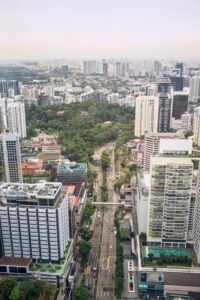
Becoming a Tourism Leader

Tourism has become one of Singapore’s most successful industries.

World-famous attractions, luxury accommodations, entertainment venues, shopping districts, cultural neighborhoods, and outstanding hospitality attract millions of international visitors each year.

Continuous investment in new attractions ensures that Singapore remains competitive as one of Asia’s leading travel destinations.

Innovation and Technology

Singapore consistently embraces new technologies to improve urban living.

Smart transportation, digital public services, sustainable architecture, and innovative environmental solutions have positioned the country as a global leader in smart city development.

Technology continues to improve efficiency while supporting economic growth and environmental sustainability.

Looking Toward the Future

Singapore continues to invest in renewable energy, artificial intelligence, biotechnology, education, and sustainable urban planning.

Rather than relying solely on past achievements, the country constantly prepares for future challenges by encouraging innovation and supporting emerging industries.

This forward-looking mindset ensures Singapore remains competitive in an increasingly connected world.

Conclusion

Singapore’s rise to become one of Asia’s most successful nations is the result of vision, determination, and continuous innovation. Through strategic planning, investment in education, economic diversification, modern infrastructure, environmental responsibility, and cultural harmony, the country has achieved remarkable progress despite its limited size and resources. Today, Singapore stands as a global example of what can be accomplished through smart leadership and long-term planning. Whether admired for its thriving economy, exceptional quality of life, or world-class tourism, Singapore continues to inspire people around the world with its extraordinary success story.…
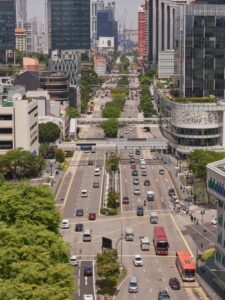
Why Singapore Is One of the World’s Smartest Cities

Singapore is recognized around the globe as one of the smartest and most innovative cities ever built. While many people visit for its famous attractions, luxury shopping, and incredible food, the country’s true achievement lies in how technology and urban planning have transformed everyday life. Singapore has successfully created a city where innovation improves transportation, healthcare, public services, environmental sustainability, and the overall quality of life for both residents and visitors.
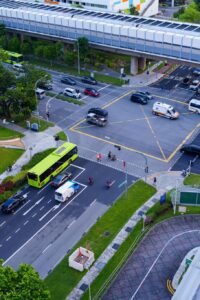
From intelligent traffic systems and digital public services to eco-friendly buildings and advanced transportation networks, Singapore continues to set global standards for modern urban development. Its commitment to embracing technology while maintaining a clean, green, and people-friendly environment has made it an inspiration for cities around the world.

A Vision for the Future

Singapore’s transformation into a smart city did not happen overnight. Long-term planning, investment in technology, and a commitment to sustainable growth have allowed the country to build infrastructure that supports both economic development and environmental responsibility.

Every new project is carefully designed to improve convenience, reduce waste, and create a better living experience for future generations.

Advanced Public Transportation

One of the most noticeable features of Singapore is its highly efficient transportation system.

The MRT network connects major attractions, residential neighborhoods, business districts, and shopping centers with speed and reliability. Modern buses, integrated payment systems, and clearly marked stations make traveling across the city simple for both locals and tourists.

Real-time updates and digital route planning help passengers reach their destinations quickly while reducing congestion on the roads.

Smart Traffic Management

Singapore uses advanced technology to manage traffic efficiently throughout the city.

Intelligent traffic signals, electronic road pricing systems, and digital monitoring help reduce congestion while improving travel times. These systems encourage smoother traffic flow and contribute to lower vehicle emissions.

As a result, visitors often notice how organized and stress-free transportation feels compared to many large metropolitan cities.

Digital Public Services

Technology plays an important role in making everyday services more accessible.

Many government services are available online, allowing residents to complete important tasks digitally instead of visiting offices. Visitors also benefit from digital information systems, online ticket bookings, mobile payment options, and interactive travel guides.

These innovations create a convenient experience that saves both time and effort.

Sustainable Green Buildings

Singapore has become a global leader in sustainable architecture.

Modern buildings are designed with energy-efficient systems, rooftop gardens, natural ventilation, and environmentally friendly construction methods. Many commercial and residential buildings are surrounded by greenery, creating healthier and more attractive urban environments.

This balance between technology and sustainability has become one of Singapore’s defining characteristics.

A City Filled with Green Spaces

Although Singapore is highly developed, nature remains an important part of city life.

Parks, waterfront gardens, tree-lined streets, and nature reserves have been carefully integrated into the urban landscape. These green spaces improve air quality, reduce heat, and provide relaxing environments for recreation and outdoor activities.

The country’s commitment to becoming a “City in Nature” demonstrates that modern development and environmental conservation can work together successfully.

Safe and Efficient Living

Singapore consistently ranks among the safest countries in the world.

Modern surveillance systems, well-maintained public infrastructure, and efficient emergency services contribute to a secure environment for residents and tourists alike. Visitors can comfortably explore the city during both the day and evening while enjoying clean public spaces and organized transportation.

This sense of safety is one of the reasons Singapore continues to attract millions of international visitors every year.

Innovation in Tourism

Technology has also transformed the visitor experience.

Many attractions offer interactive exhibitions, digital ticketing, virtual guides, and mobile applications that help travelers navigate the city with ease. Contactless payments, online reservations, and smart tourism services allow visitors to spend more time enjoying their trip and less time dealing with logistics.

These innovations make Singapore one of the easiest destinations in the world to explore.

Commitment to Environmental Sustainability

Singapore understands that the future depends on responsible development.

The country invests heavily in clean energy, water conservation, recycling programs, and sustainable urban planning. Environmental initiatives help preserve natural resources while supporting continued economic growth.

Visitors often notice how clean the streets, parks, and public spaces remain despite the city’s large population and high number of tourists.

Lessons the World Can Learn

Cities around the world look to Singapore as a model for balancing technology, sustainability, and quality of life.

Its success demonstrates that careful planning, continuous innovation, and responsible environmental policies can create cities that are both economically successful and environmentally friendly.

Singapore’s achievements continue to inspire governments, architects, urban planners, and technology experts across the globe.

Conclusion

Singapore has earned its reputation as one of the world’s smartest cities by combining advanced technology, sustainable development, efficient public services, and outstanding urban planning. Every aspect of the city has been designed to improve daily life while protecting the environment and supporting future growth. Whether you are visiting as a tourist or studying its remarkable development, Singapore offers valuable insights into what modern cities can achieve when innovation, sustainability, and community well-being work together. It is not just a destination to explore—it is a vision of the future that continues to inspire the world.…

Singapore’s Cultural Diversity: A Journey Through Traditions and Communities

Singapore is widely recognized as one of the most culturally diverse countries in the world. Despite its small size, it is home to a vibrant mix of Chinese, Malay, Indian, and Eurasian communities, each contributing unique traditions, languages, festivals, and cuisines. This rich cultural blend has shaped Singapore into a welcoming destination where different customs coexist in harmony. For visitors, exploring Singapore is not only about seeing modern attractions but also about experiencing the traditions and heritage that give the country its distinctive identity.
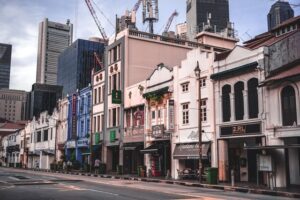
Walking through Singapore feels like traveling through several cultures in a single day. Historic neighborhoods, colorful places of worship, traditional markets, and authentic local eateries provide a fascinating glimpse into the lives and customs of its diverse communities. This multicultural spirit is one of the main reasons Singapore continues to captivate travelers from around the globe.

A Nation Built on Diversity

Singapore’s multicultural society has developed over centuries through trade, migration, and cultural exchange. People from different backgrounds settled on the island, bringing with them their languages, beliefs, customs, and culinary traditions.

Today, this diversity is celebrated as one of Singapore’s greatest strengths. Different communities maintain their cultural identities while contributing to the nation’s shared values of respect, unity, and cooperation. This harmonious coexistence creates a welcoming atmosphere for both residents and visitors.

Exploring Chinatown

Chinatown is one of Singapore’s most popular cultural districts, offering visitors a chance to experience Chinese traditions and heritage. The area features beautifully preserved shophouses, traditional markets, historic temples, and streets filled with local businesses.

Visitors can browse souvenir shops, admire cultural architecture, and enjoy authentic Chinese cuisine prepared using recipes that have been passed down through generations. During festive seasons, the neighborhood becomes even more vibrant with colorful decorations and cultural celebrations.

Discovering Little India

Little India is known for its lively atmosphere, colorful streets, and rich cultural heritage. The neighborhood is filled with traditional shops selling textiles, jewelry, spices, and handcrafted goods.

Visitors can explore beautiful temples, sample authentic Indian cuisine, and experience the vibrant energy that makes this district unique. Festivals celebrated here bring music, lights, and decorations that create unforgettable experiences for locals and tourists alike.

Walking through Little India provides insight into one of Singapore’s most vibrant cultural communities.

The Charm of Kampong Glam

Kampong Glam reflects Singapore’s Malay and Islamic heritage through its historic buildings, cultural landmarks, and welcoming atmosphere.

Visitors can stroll along charming streets lined with boutique shops, cafés, art galleries, and heritage buildings. The district beautifully combines traditional culture with contemporary creativity, making it a favorite destination for photographers and culture enthusiasts.

Its blend of history and modern lifestyle showcases Singapore’s ability to preserve heritage while embracing innovation.

Festivals That Unite Communities

Throughout the year, Singapore celebrates numerous cultural festivals representing different communities and traditions.

Festivals bring neighborhoods to life with colorful decorations, traditional performances, music, dance, and delicious food. These celebrations encourage cultural understanding while allowing visitors to experience Singapore’s diversity firsthand.

Whether visiting during a major holiday or an ordinary weekend, travelers often find opportunities to learn about local customs and traditions.

A Culinary Reflection of Culture

Singapore’s multicultural heritage is perhaps most visible through its food.

Chinese, Malay, Indian, and international influences have combined to create one of the world’s most exciting culinary destinations. Hawker centers allow visitors to sample authentic local dishes prepared by experienced cooks who have perfected their recipes over decades.

Every meal reflects Singapore’s diverse history, making food an essential part of the country’s cultural experience.

Languages That Connect People

Singapore recognizes multiple official languages, reflecting its multicultural population.

English serves as the common language for business, education, and tourism, making communication convenient for international visitors. At the same time, Mandarin, Malay, and Tamil continue to play important roles in preserving cultural identity.

Hearing different languages spoken throughout the city highlights Singapore’s rich diversity and global outlook.

Respecting Different Beliefs

Singapore is home to temples, churches, mosques, and other places of worship located throughout the city.

People of different faiths practice their beliefs peacefully while respecting one another’s traditions. Visitors are welcome to admire many religious landmarks, provided they follow appropriate customs and dress respectfully.

This atmosphere of religious harmony is one of the defining characteristics of Singaporean society.

Modern Living with Traditional Values

Although Singapore is recognized for its advanced technology and modern infrastructure, traditional values remain deeply rooted in everyday life.

Families continue to celebrate cultural festivals, preserve traditional recipes, and pass down customs from one generation to the next. This balance between progress and heritage creates a society that respects its past while embracing the future.

Visitors quickly notice how seamlessly modern city life blends with centuries-old traditions.

Conclusion

Singapore’s cultural diversity is one of the country’s greatest treasures. Its harmonious blend of communities, traditions, languages, festivals, and cuisines creates an experience unlike anywhere else in the world. Beyond its impressive skyline and modern attractions, Singapore offers travelers an opportunity to connect with rich cultural heritage and discover the values that have shaped this remarkable nation. Exploring its diverse neighborhoods allows visitors to gain a deeper appreciation of Singapore’s history, unity, and vibrant multicultural identity, making every journey both educational and unforgettable.

…